How Much Protein Do You Need in A Day?
By Derrick Inglut
Before comparing protein powders, look at an ordinary day of eating. Where are your protein foods? Which meals are hard to organize? Does the expensive supplement solve an actual problem?
Those questions are more useful than a ranking that declares one powder the most anabolic product in the world.
Start with food you can use regularly
Eggs, dairy foods, fish, poultry, tofu, beans, and lentils offer different practical options. Animal and plant foods can both contribute to meeting protein needs. Variety helps an eating pattern work without depending on a single product.
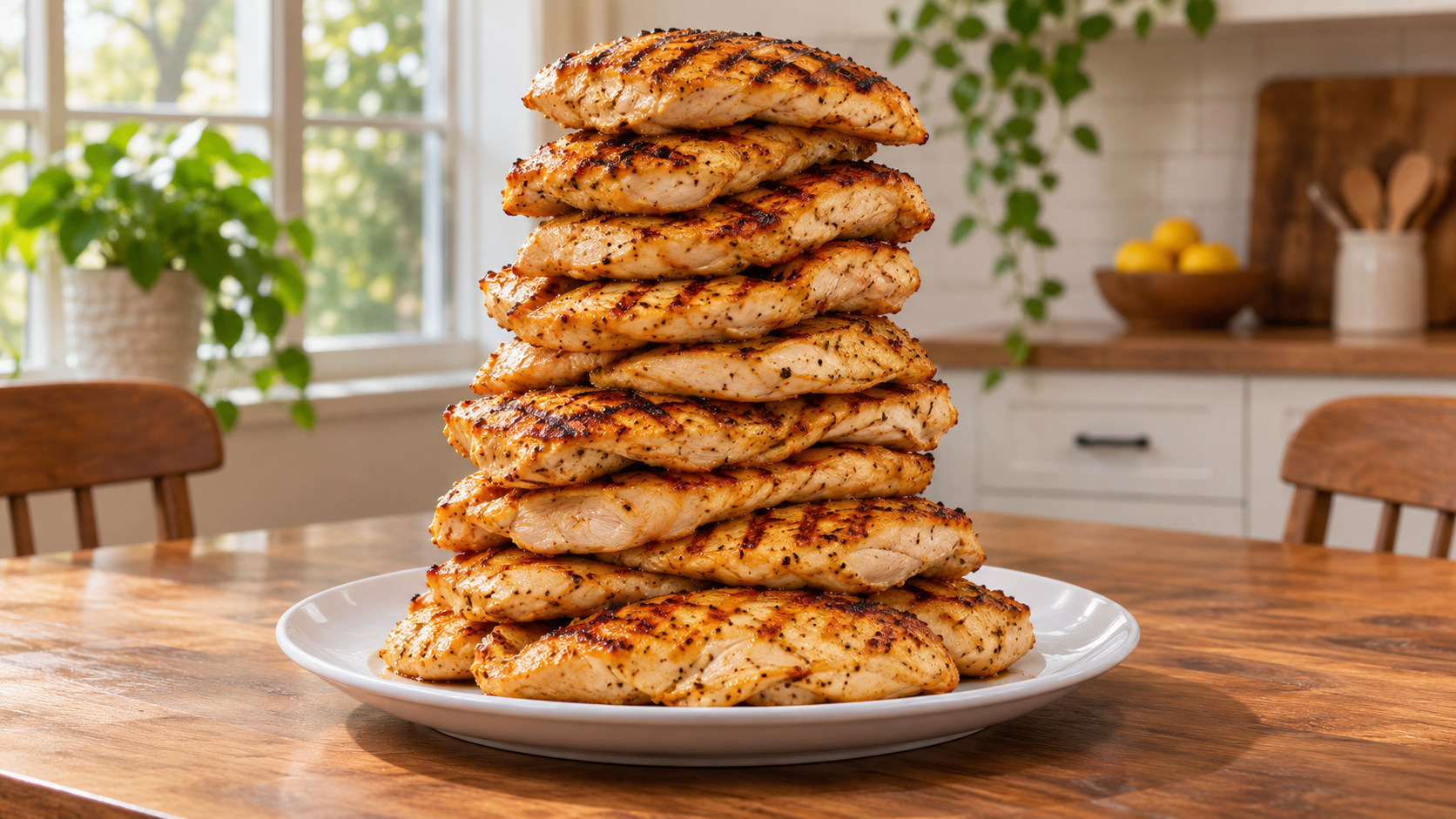
Make the choices specific. Greek yogurt might suit a quick breakfast, lentils can become part of lunch, and chicken or tofu can anchor dinner. Choose foods you enjoy and can prepare consistently.
Protein needs vary with body size, activity, age, health, and goals. A registered dietitian can help set an individual target, particularly when a medical condition affects what is appropriate.
Use a shake for a reason
A protein shake can be convenient when a normal meal is impractical or intake is falling short. It is not automatically better than food. Compare the serving, ingredients, cost, and your tolerance rather than assuming a higher price means a better result.
Read the actual amount of protein per serving. The size of the scoop, the package, or the marketing claim does not tell you everything about what you are buying.
If you compete in tested sport, consider supplement contamination risk and independent certification intended for athletes. Certification can reduce risk, but it cannot eliminate it. My article on natural bodybuilding and realistic progress explains why specific questions matter.
Do not fear properly cooked protein
Cooking does not make protein broadly unusable. Follow food-safety guidance for meat, fish, and eggs rather than eating them undercooked to preserve a supposedly perfect protein.
A practical meal you can prepare safely and enjoy regularly is more useful than a complicated rule that makes eating harder.
Keep the training part of the equation
Protein intake and resistance training are related parts of supporting muscle. Buying more protein does not replace a training stimulus or make recovery irrelevant.
Track your workouts alongside your eating habits. Are you practicing consistently? Is your technique improving? Can you recover between sessions? Those questions help put supplement decisions into perspective.
If you want help building that structure, explore my one-on-one personal training in Washington, DC. We can organize your strength training around your starting point, schedule, and goals.
If you take a GLP-1 medication and are eating substantially less, discuss your nutrition needs with your prescribing clinician or a registered dietitian. A large supplement dose is not a substitute for reviewing your overall intake.
For the rest of the plate, see Do You Need to Cut Carbs to Get Fit?. The useful plan meets your needs in meals you can maintain.
Adapted and updated from “The Truth about Protein,” originally published in The Southwester, June 2010, page 7.
Source: NIH Office of Dietary Supplements: Dietary Supplements for Exercise and Athletic Performance