Choosing a Prenatal or Postnatal Trainer in DC
By Derrick Inglut
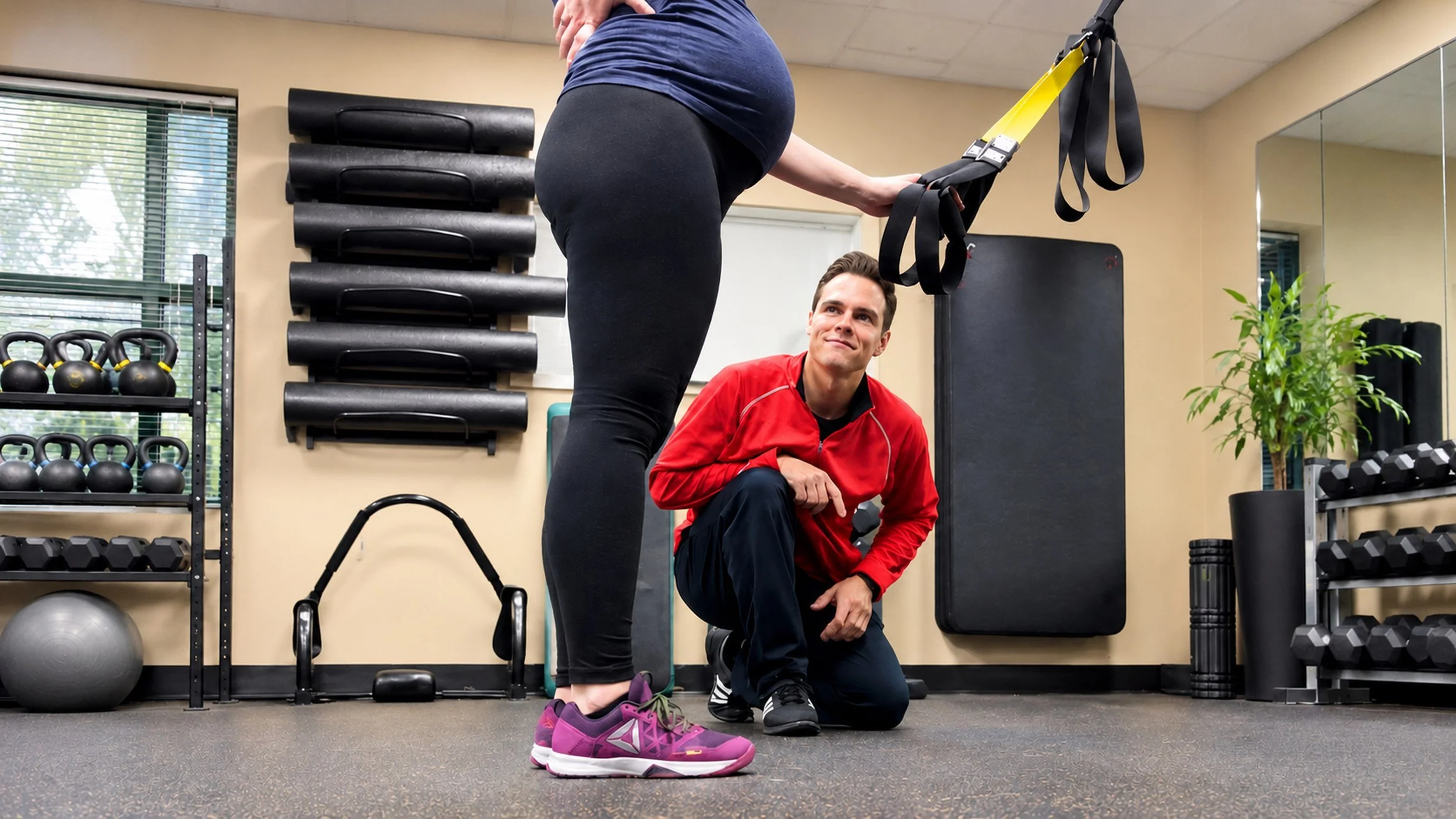
When you are pregnant or returning to exercise after birth, choosing a personal trainer involves more than finding a challenging workout. The starting conversation should include your exercise experience, recovery, medical guidance, and what feels manageable now.
Use these questions when comparing a prenatal trainer or postnatal personal trainer in Washington, DC.
Start with your obstetric care team
The American College of Obstetricians and Gynecologists supports aerobic and strength-conditioning exercise during uncomplicated pregnancies, with appropriate assessment and modifications. Discuss your situation with your obstetric clinician before starting or changing your program.
After birth, returning to exercise depends on recovery, the type of delivery, and any complications. A calendar date alone does not establish readiness for every activity.
Ask your care team what guidance your trainer should follow and whether any activities need to be modified.
Ask about relevant experience
Ask what pregnancy and postpartum exercise education the trainer has completed, how recently it was updated, and how they handle situations outside their expertise.
General personal training experience is useful, but it should come with clear answers about the needs of pregnant and postpartum clients.
Ask how the trainer coordinates with an obstetric clinician or pelvic-health physical therapist when appropriate. Someone who recognizes when to refer you for assessment is offering an important part of responsible coaching.
Look for an adaptable plan
What changes when your balance, comfort, fatigue, or recovery changes? How are exercises selected? What information does the trainer record between visits?
You should hear an explanation you understand. Be cautious about guarantees of an easier birth or a fixed deadline for getting your body back.
Postpartum fitness should make room for recovery, sleep disruption, and the demands of caring for a baby. Your previous workout log can provide context without becoming a deadline.
Keep symptoms in the conversation
During pregnancy, warning signs such as vaginal bleeding, fluid leakage, dizziness, or chest pain mean you should stop exercising and contact your care team.
After birth, pain, pelvic pressure, or leakage during exercise deserves discussion with an appropriate clinician. These symptoms should not be dismissed as something you must push through.
A trainer can adjust exercise within their scope. Diagnosing symptoms and treating pelvic-floor conditions require appropriate healthcare professionals.
Make the practical side workable
Confirm the location, session length, pricing, cancellation policy, and whether appointments fit your care and family schedule.
If you are searching from Georgetown, Kalorama, or Dupont Circle, check the actual journey to the studio. A convenient, repeatable appointment can be more useful than a program that is difficult to attend.
You can review my private-studio personal training options in Washington, DC for location and pricing information. Before booking pregnancy or postpartum sessions with any trainer, discuss your needs and confirm their relevant experience.
Choose someone whose process makes room for your recovery, your goals, and your medical team’s guidance.
Sources: