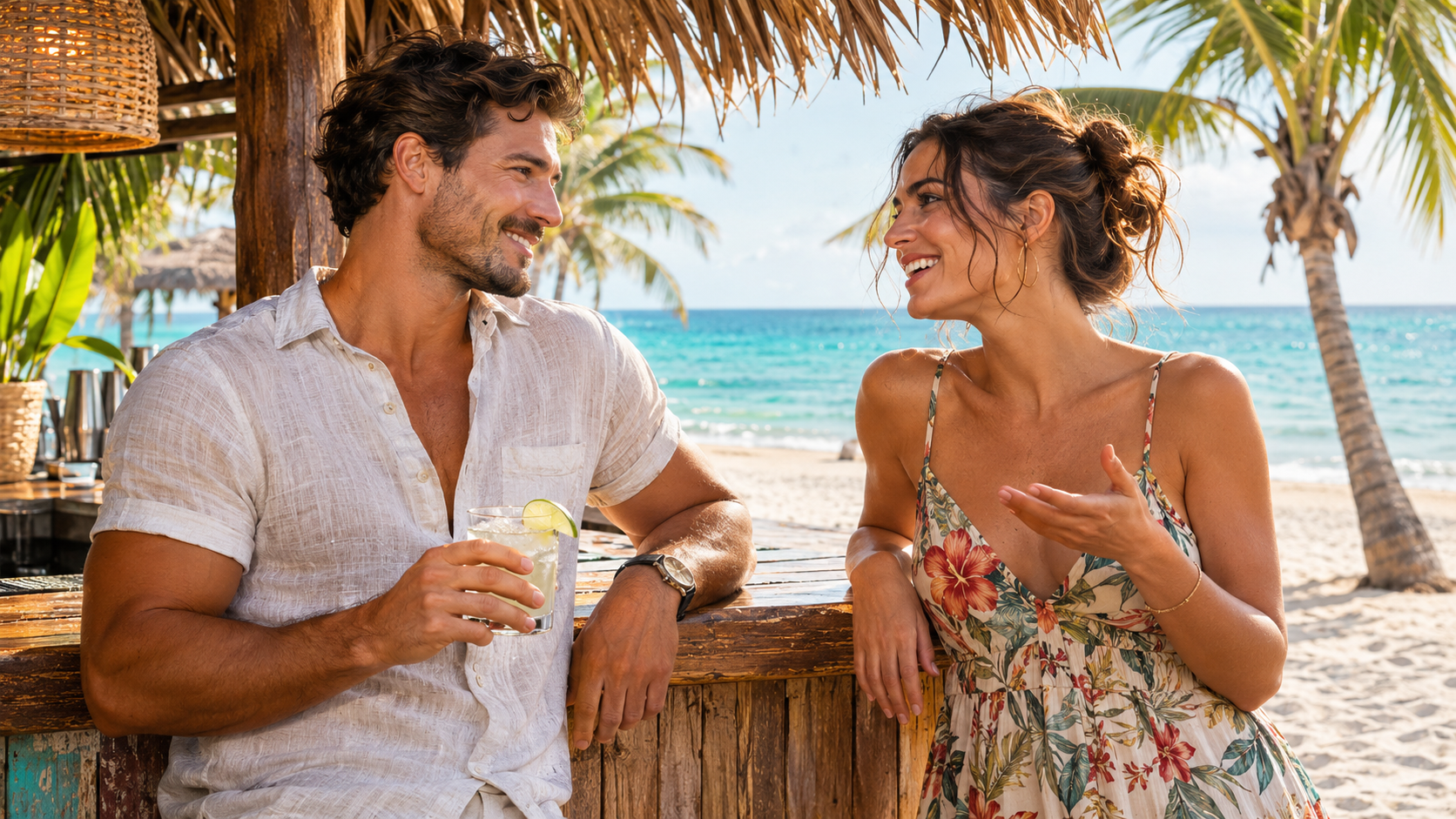
Alcohol and Fitness Goals: Plan for the Whole Evening
By Derrick Inglut
A fitness plan that ignores your actual social life is going to meet resistance. But calling a cocktail “skinny” does not remove the alcohol or make it a health product.
If you drink, look at the whole evening: the pour, the mixer, the food, and whether the next day’s training still makes sense. Choosing not to drink is always an option.
One glass is not necessarily one drink
In the United States, a standard drink contains about 14 grams of alcohol. Examples include 12 ounces of 5% beer, 5 ounces of 12% wine, or 1.5 ounces of 40% spirits. A large pour or stronger beer can contain more than one standard drink.
That matters when comparing a small labeled can with an unmeasured restaurant cocktail. The number of glasses alone does not make the comparison equal.
Compare the recipe, not the name
Juice, syrups, cream, and portion size change a drink’s calories. A lighter mixer may reduce calories compared with a sugary version, but it does not cancel the alcohol. Restaurant recipes also vary, so a universal “best cocktails” calorie chart can be misleading.
If you want information, look for the actual product label or recipe. If the details are unavailable, treat your estimate as an estimate.
Make decisions before you arrive
Choose how you want the evening to go before the first round appears. Arrange a safe ride. Have your normal meals rather than trying to save all your food for drinks. Consider an alcohol-free option you genuinely enjoy.
Afterward, resume the routine instead of scheduling a punishment workout. Do not exercise while impaired or use exercise as an attempt to sober up.
Alcohol is not appropriate for everyone, including during pregnancy and with some medications or health conditions. If you do not drink, there is no fitness reason to start.
For the food side of social occasions, read Holiday Eating: Enjoy the Pie Without the Panic. The goal is a deliberate choice, with its tradeoffs understood. If you want coaching that accounts for your actual schedule and social life, learn about my personal training and nutrition planning.
Adapted and updated from “Adult beverages and your diet: Making it work,” originally published in The Southwester, July 2011, p. 6.
Source: NIAAA: What is a standard drink?